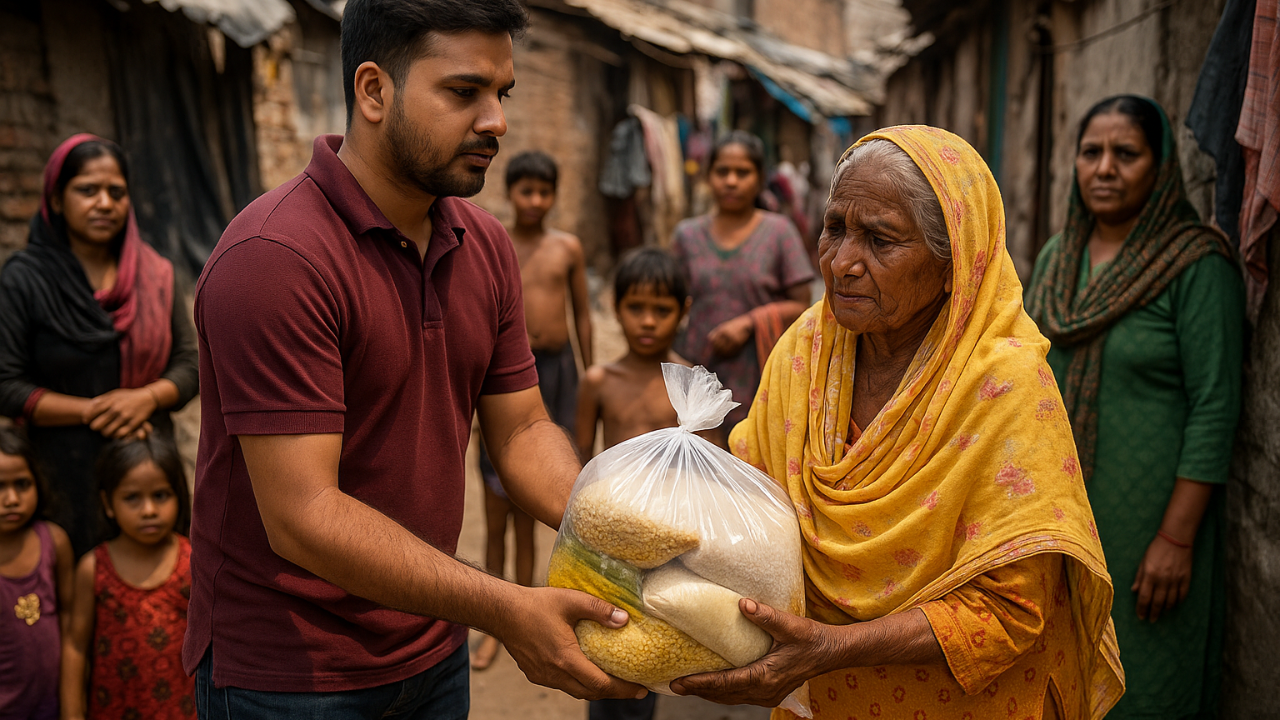
Generational poverty is not created by one single event – it forms from repeated hardships that accumulate over years. When families continuously struggle for basic necessities such as food and medical care, every aspect of their lives becomes unstable. Children grow up malnourished, adults remain sick and unable to work, and savings never build. Over time, these conditions trap entire families in a cycle that passes from one generation to the next. Consistent food support and medical aid address the root causes that create this cycle. They offer stability, health, and opportunities – three pillars required to prevent poverty from becoming a lifelong sentence.
The Foundation: Why Food Security Matters
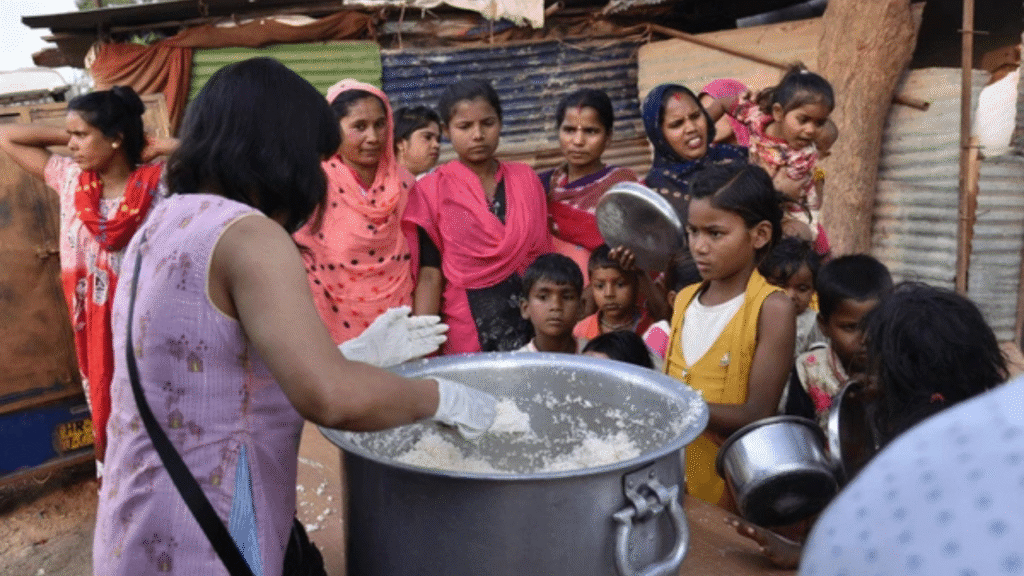
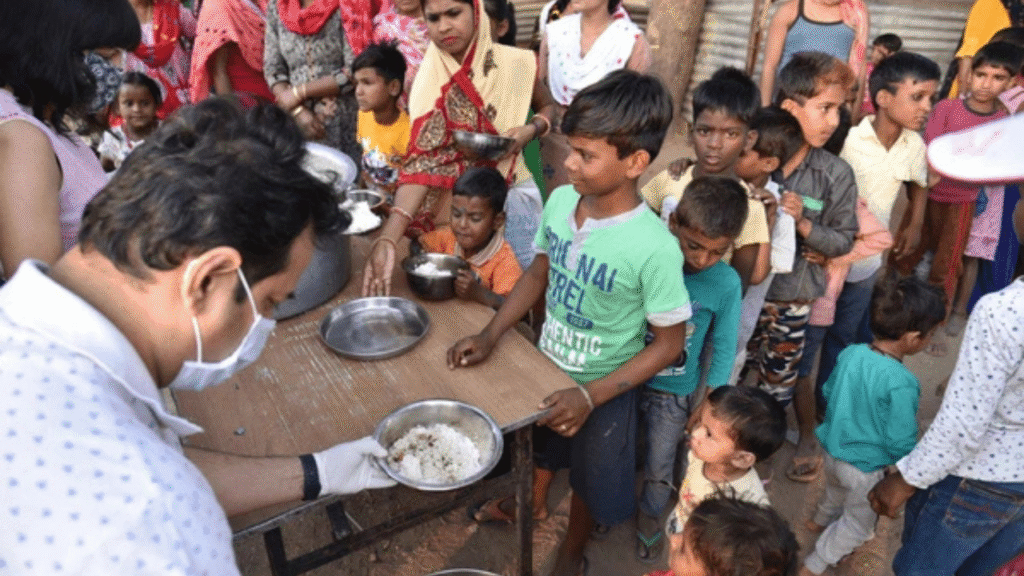
Food security is one of the most fundamental human needs. Without consistent access to nutritious meals, families experience physical weakness, poor immunity, low energy, and limited cognitive development. For children, the impact is even more severe. Malnutrition at a young age affects brain development, stunts growth, and reduces learning capacity. Adults struggling with hunger cannot perform well at work, resulting in fewer earnings and more instability.
Consistent food support changes the direction of a family’s life. Daily meals ensure that children grow properly, attend school regularly, and perform better academically. Adults gain the strength to work consistently, earn income, and plan for the future. When families are relieved of the fear of hunger, they shift from survival mode to progress mode. This shift is essential to breaking generational poverty.
“A single meal and timely treatment can break a cycle that has trapped families for generations.”
Bharat Welfare Association
Medical Aid: A Shield Against Financial Collapse
One major medical emergency can financially destroy a low-income household. Families living on daily wages or unstable income often cannot afford treatment, medicines, or long-term care. This leads to untreated illnesses, worsening health, and in many cases, permanent disabilities. As the health of a family deteriorates, so does their ability to earn, save, or build stability.
Consistent medical support prevents this spiral. When families receive help for surgeries, treatments, diagnostics, and chronic conditions, they avoid catastrophic expenses that push them deep into debt. Immediate access to healthcare ensures that minor conditions do not escalate and major illnesses are treated in time. This not only saves lives but protects future income, keeps families financially afloat, and reduces the burden on children who would otherwise be forced to work or drop out of school to support medical expenses.
Reducing the Burden on Children
Children in vulnerable families often carry the weight of poverty long before they become adults. When food and medical resources are scarce, children are the first to face the consequences:
- They take on responsibilities beyond their age.
- They drop out of school to support the household.
- They remain undernourished and fall sick more often.
- They lack the energy and focus needed for learning.
Consistent support programs stop this chain reaction. When families receive food and medical relief regularly, children stay in school, remain healthy, and benefit from a stable environment. Preventing child labor, malnutrition, and school dropout rates directly weakens the roots of generational poverty. A healthy, educated child is the strongest barrier against future poverty.
Stability That Encourages Growth and Planning
Poverty thrives where there is uncertainty. When families have no idea how they will feed themselves or manage health emergencies, they cannot invest in long-term goals. They cannot save, educate their children, or plan for future growth.
Food and medical assistance bring predictability. With basic needs covered, families gain:
- Mental peace
- Financial breathing room
- Better decision-making
- Strength to focus on employment
- Ability to save even small amounts
This stability allows them to think beyond today. Over time, these small steps accumulate and create lasting changes that protect future generations.
Preventing Debt Cycles That Trap Families for Decades
Debt is a silent enemy of vulnerable households. Many families borrow money for food and medical emergencies at extremely high interest rates. Unable to repay, they fall into a long-term debt trap that grows worse every year. Children inherit this burden, starting life at a financial disadvantage.
Consistent food and healthcare aid protects families from borrowing under pressure. When medical needs and basic nutrition are supported, families avoid high debts, remain financially stable, and shield future generations from inherited hardship. Breaking this debt cycle is one of the most effective ways to prevent generational poverty.
Improving Community Health and Economic Productivity
Healthy individuals contribute actively to the community and economy. When families receive continuous food and medical support, overall community health improves. This leads to:
- Better workforce participation
- Reduced absenteeism
- Higher productivity
- Lower disease spread
- Stronger local economies
An entire community’s upward growth begins when its weakest members are strong enough to stand on their own. Consistent aid shapes healthier societies, not just healthier individuals.
Long-Term Impact: From Surviving to Thriving
Families who regularly receive food and medical support gradually transition from struggling to stable. Over months and years, stability turns into progress:
- Children complete education.
- Adults maintain steady jobs.
- Women can contribute to income.
- Elderly members receive proper care.
- Savings begin to accumulate.
This transformation passes on to future generations. A family that stays healthy and fed today builds a stronger tomorrow for their children.
Consistency Is the Key to Breaking Poverty
One-time charity cannot stop poverty. What prevents generational poverty is consistent, reliable, and long-term support – especially food and medical aid. These two pillars determine whether a family survives or grows, collapses or rises. When children stay nourished, adults remain healthy, and households avoid medical debt, the cycle of poverty weakens. Consistent aid becomes the bridge between vulnerability and independence.
Communities, NGOs, and individuals all have the power to contribute to this transformation. When basic needs are met every day, families reclaim control over their lives, ensuring that poverty ends with them and does not pass on to the next generation.